
In today’s fast-paced world, maintaining heart health has become more important than ever. One of the most effective ways to support cardiovascular health is through the inclusion of Omega-3 fatty acids in your diet. Omega-3s are essential fats that offer numerous health benefits, particularly for the heart. However, with a plethora of Omega-3 supplements available on the market, selecting the right one can be a daunting task. This guide aims to simplify the process by providing a step-by-step evaluation of what to look for when choosing Omega-3 supplements for heart health. From understanding the different types of Omega-3 fatty acids to evaluating product quality and dosage, this comprehensive guide will equip you with the knowledge needed to make an informed decision. Ensuring that you choose a high-quality Omega-3 supplement can significantly contribute to your overall heart health and well-being. Let’s dive into the essential factors that you need to consider.
Understanding Omega-3 Fatty Acids
Before diving into the selection process, it’s crucial to understand what Omega-3 fatty acids are and why they are essential for heart health. Omega-3s are polyunsaturated fats that play a vital role in various bodily functions. There are three main types of Omega-3 fatty acids: ALA (alpha-linolenic acid), EPA (eicosapentaenoic acid), and DHA (docosahexaenoic acid). ALA is primarily found in plant sources, such as flaxseeds and walnuts, while EPA and DHA are predominantly found in marine sources like fish and algae. Research indicates that EPA and DHA are particularly beneficial for cardiovascular health, helping to reduce inflammation, lower blood pressure, and improve cholesterol levels. Understanding these differences is essential for selecting a supplement that meets your heart health needs.
Identifying Your Omega-3 Needs
Your specific health needs will heavily influence your choice of Omega-3 supplements. For individuals with existing heart conditions, higher doses of EPA and DHA may be necessary to achieve therapeutic effects. Conversely, if you’re looking to maintain general heart health or are simply seeking to prevent cardiovascular issues, a lower dose might suffice. Additionally, consider your dietary habits; if you consume fish regularly, you may need a lower dose of Omega-3 supplements compared to someone with a largely plant-based diet. It’s also essential to consult with healthcare providers to determine your individual Omega-3 requirements based on your medical history and lifestyle. By identifying your particular needs, you can make a more informed choice when selecting an Omega-3 supplement.

Choosing Between Fish Oil and Plant-Based Sources
When selecting Omega-3 supplements, you’ll need to decide between fish oil and plant-based sources. Fish oil supplements are rich in EPA and DHA, making them a popular choice for those seeking robust heart health benefits. If you’re not a fan of fish or follow a vegan or vegetarian lifestyle, plant-based sources like flaxseed oil or algae oil can provide ALA, which your body can convert to EPA and DHA, albeit at a lower efficiency. Understanding the conversion rates and sources of Omega-3s is essential for maximizing heart health benefits. For those who prefer a plant-based option, algae oil is particularly beneficial as it directly provides DHA and EPA without the need for conversion. Weighing the pros and cons of each source will help you make the best choice for your lifestyle and health goals.
Evaluating Supplement Quality and Purity
Not all Omega-3 supplements are created equal, making it crucial to evaluate their quality and purity. Look for products that undergo third-party testing to ensure they meet safety standards. Certifications from organizations like the International Fish Oil Standards (IFOS) or the United States Pharmacopeia (USP) can serve as indicators of quality. Additionally, pay attention to the potential for contaminants, such as heavy metals and PCBs, which can negatively impact health. Reputable brands often provide Certificates of Analysis (COAs) that detail the purity and concentration of their products. When it comes to Omega-3 supplements, transparency about sourcing, manufacturing processes, and testing protocols can help you make a safer and more informed choice.
Understanding Dosage and Concentration
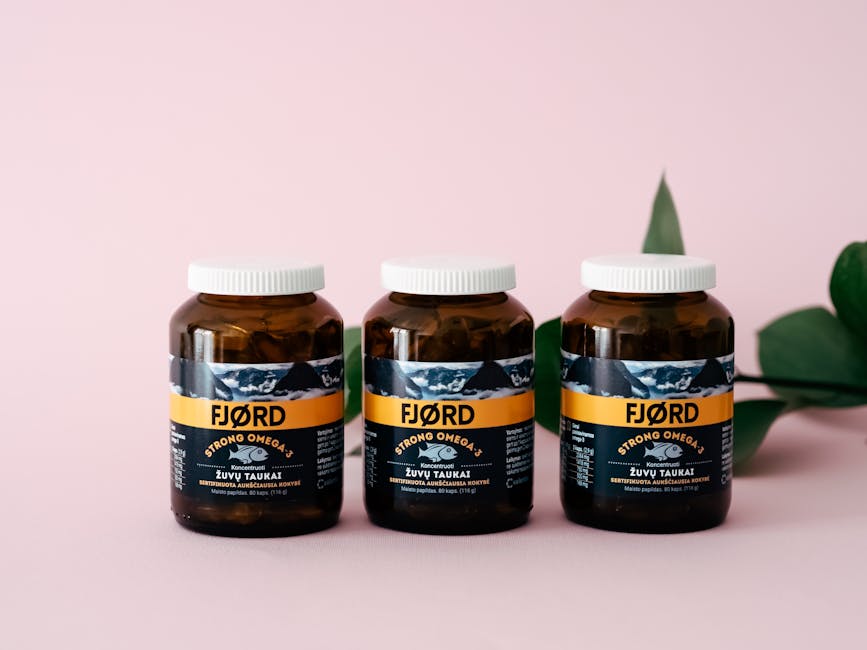
Determining the right dosage and concentration of Omega-3 supplements is vital for reaping their heart health benefits. The American Heart Association recommends at least two servings of fatty fish per week, which translates to roughly 500-1000 mg of combined EPA and DHA daily for the average adult. However, if you’re taking supplements, it’s essential to check the concentration of Omega-3s per serving. Some products may contain lower concentrations, requiring you to take multiple capsules to achieve the recommended dosage. Be sure to read the supplement facts label carefully to understand how much Omega-3 is in each dose. This will help you select a product that provides an adequate amount of Omega-3s for your specific health needs.
Considering Additional Ingredients and Formulations
Many Omega-3 supplements come with added ingredients aimed at enhancing their effectiveness or improving taste and digestibility. Some products include vitamin D, which supports bone health and immune function, while others may add antioxidants like astaxanthin to protect Omega-3s from oxidation. Additionally, consider the formulation; liquid Omega-3s may be easier to digest for some individuals, while capsules offer convenience and are more palatable for others. Understanding these additional ingredients can also help you avoid allergens or substances that may not align with your dietary preferences. Always check the label for a complete list of ingredients to ensure that the supplement aligns with your health goals and dietary restrictions.
Reading Reviews and Seeking Recommendations
Before making a final decision, don’t underestimate the power of reviews and recommendations. Customer feedback can provide valuable insights into the effectiveness and tolerability of various Omega-3 supplements. Look for products with high ratings and positive testimonials, but also pay attention to any complaints regarding side effects or product quality. Additionally, consider seeking recommendations from healthcare professionals or dietitians who can provide personalized advice based on their experience with different brands. Online forums and health communities can also serve as excellent resources for gathering opinions and experiences from other users. By leveraging the experiences of others, you can make a more informed choice that aligns with your heart health goals.
Conclusion
Choosing the best Omega-3 supplement for heart health doesn’t have to be a complicated process. By understanding the types of Omega-3 fatty acids, identifying your specific needs, and evaluating product quality and dosage, you can confidently select a supplement that enhances your cardiovascular health. Whether you opt for fish oil or plant-based sources, the key is to prioritize quality and transparency in your selection. With the right Omega-3 supplement, you can take significant strides toward improving your heart health and overall well-being. Remember, it’s always advisable to consult a healthcare provider before starting any new supplement regimen to ensure it aligns with your individual health needs.